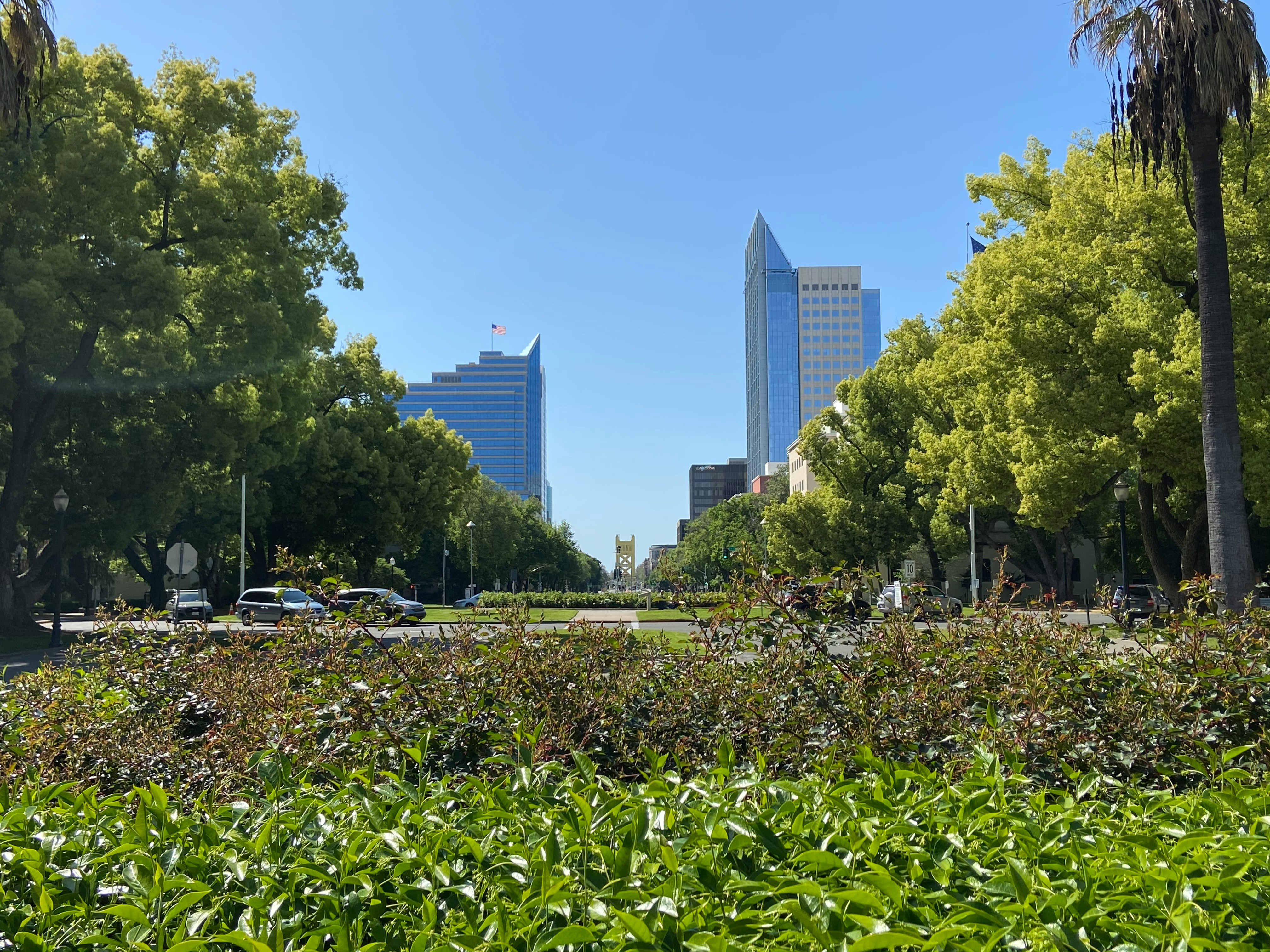
Welcome to Your Trusted Elk Grove & Sacramento County Real Estate Blog

Are you looking to stay informed about selling your home, buying property, or navigating the dynamic Elk Grove, CA real estate market? You’ve come to the right place. My blog delivers expert advice, local market updates, and practical tips tailored for homeowners and buyers in Elk Grove, Galt, Wilton, and broader Sacramento County.

Why Follow Our Blog?

With years of experience and deep local expertise, Christy Press, REALTOR® provides clear, actionable guidance so you can make confident real estate decisions. Whether you're preparing to sell quickly, aiming for top dollar, or wondering about market trends, our blog covers it all — from pricing strategies and staging tips to legal essentials and community insights.

What You’ll Find Here

  • Local Market Updates: Stay ahead with the latest data on home prices, inventory, and sales trends across Elk Grove and Sacramento County.

  • Home Selling Tips: Learn how to price smart, boost curb appeal, market efficiently, and navigate complex transactions.

  • Buying Guidance: Explore neighborhood highlights, investment tips, and financing options.

  • Legal & Financial Insights: Understand important regulations, tax considerations, and disclosure requirements.

  • Success Stories: Hear from satisfied clients who sold or bought homes with Christy’s expert support.

Personalized Real Estate Support

Our blog isn’t just information — it’s part of a comprehensive resource to help you succeed locally. For customized advice or personalized consultations to sell or buy your next home, contact Christy Press, REALTOR®. Experience trusted assistance with proven results in Elk Grove, CA.


Ready to explore the Elk Grove real estate market with confidence?
Bookmark our blog, subscribe for updates, and start your journey with expert insights you can trust.

Dec. 11, 2025

Are Elk Grove & Galt Still Good Cash-Flow Markets for Rental Investors?

Are Elk Grove and Galt still good cash-flow markets for long-term rental investors?

Elk Grove and Galt can still work for long-term rental investors in 2025–2026, but they are no longer “easy cash‑flow” markets; returns are much tighter and depend heavily on purchase price, financing terms, expense control, and strategy.


Cash Flow Reality in Elk Grove & Galt

Sacramento County metrics show that prices and financing costs have risen faster than rents since 2020, compressing cash‑on‑cash returns for new investors. Elk Grove’s median prices in the low–mid $600,000s make it challenging to achieve strong cash flow using typical 20%–25% down and current 6%+ interest rates; many such purchases end up near break‑even or modestly negative on a monthly basis before tax benefits. Galt’s lower price point helps, but higher rates and rising operating costs (insurance, taxes, maintenance) still squeeze margins.​

At the same time, rental demand remains healthy. Sacramento market updates and investor reports highlight strong occupancy, relatively low vacancy, and steady demand from households priced out of ownership—especially in family‑oriented suburbs like Elk Grove. That combination means investors can often count on stable rent and low vacancy, but need to be very disciplined on acquisition and financing to make the numbers work.​


When These Markets Still Make Sense for Investors

Elk Grove and Galt can still be attractive for:

  • Long-term “buy‑and‑hold” strategies focused on equity growth and eventual loan pay‑down more than immediate high cash flow.

  • Investors with larger down payments (or paid‑off properties) who can accept lower leverage in exchange for more stable net income.

  • Value‑add plays—light rehabs, adding bedrooms, finishing space, or eventually adding ADUs—where you can push rents above typical market levels over time.

Regional investor and appraisal commentary for Sacramento emphasizes that the most successful 2025 investors are targeting realistic cap rates, underwriting with conservative rent assumptions, and planning for higher insurance, utilities, and maintenance rather than assuming past margins will continue.​


Key Risks to Watch

Investing in Elk Grove and Galt now carries several risks:

  • Rate risk: High entry rates can lock in thinner cash flow, and refinancing later depends on future rate paths.

  • Expense creep: Insurance, property taxes, utilities, and maintenance are all trending higher, especially for older homes or properties with larger yards and pools.​

  • Price risk: If Sacramento’s market cools further in 2026, short‑term appreciation may be limited, and overpaying now can delay returns.​

  • Tenant affordability: With many households already cost‑burdened, aggressive rent hikes can trigger vacancy or higher turnover.​

Investors who underwrite conservatively—stress‑testing higher expenses and slower rent growth—are better positioned to navigate these risks.


FAQ: Cash Flow in Elk Grove & Galt

Q1: Can you still find positive cash flow here with 20%–25% down?
Possibly, but it’s more likely with below‑market deals, value‑add opportunities, smaller homes, or Galt properties at lower price points. Many standard purchases in Elk Grove will be near break‑even at today’s rates.​

Q2: Are these still good markets for long‑term investors?
Yes, for investors focused on stable tenants, strong schools, and long‑term appreciation rather than immediate high cash yields. Elk Grove and Galt remain structurally solid, but numbers are tighter.

Q3: What’s one thing investors should do differently now?
Underwrite deals with realistic modern expense assumptions and conservative rent growth, and consider larger down payments or creative financing to improve monthly cash flow.


If you’re considering a rental purchase in Elk Grove, Galt, Wilton, or the broader Sacramento County area, connect with Christy Press. You’ll get neighborhood‑level rent intel, realistic pro formas, and strategies to find properties that can still work for long‑term cash flow and equity growth in today’s market.

Christy Press, Local Real Estate Agent
Elk Grove, Galt, Wilton & Sacramento County Investor Advisor

Posted in Market Updates
Dec. 10, 2025

Are New Sacramento Affordable Housing Projects Reducing Rent Pressure for Elk Grove Tenants?

Are new affordable housing projects in Sacramento reducing rent pressure for Elk Grove tenants?

New affordable housing projects in Sacramento are helping add units and relieve some pressure at the regional level, but they haven’t meaningfully lowered rent pressure yet for Elk Grove tenants; impacts are gradual and more noticeable for specific income‑restricted households than for the overall rental market.​


What’s Being Built—and Where

Sacramento’s city and county partners are actively adding affordable and supportive housing, with multiple projects under way or recently completed, often using public land, tax credits, and nonprofit partnerships. Many of these developments are concentrated in Sacramento’s urban core or near transit, where infrastructure and services are already in place. Housing‑need reports show that even with new projects, Sacramento County still faces a large shortfall—tens of thousands of affordable units are needed for extremely low‑ and very low‑income renters. That means current construction helps specific households but does not fully close the gap that drives high rents across the region.​

For Elk Grove tenants, most of the new dedicated affordable units are not in their immediate neighborhood; they’re more likely in Sacramento city or nearby infill locations. However, by increasing overall regional supply and providing options for some cost‑burdened renters, these projects can indirectly reduce upward pressure over time on rents in surrounding communities, including Elk Grove.​


Why Rent Pressure Remains High

Several forces keep rent pressure elevated:

  • Demand still exceeds supply, especially for low‑cost units, and new projects take years to entitle, fund, and build.​

  • Population growth and continued migration into Sacramento County, including from higher‑cost coastal markets, support rent levels in suburban submarkets like Elk Grove.​

  • Operating costs (insurance, taxes, maintenance, utilities) have climbed for landlords, limiting room to cut rents even as more units come online.​

Policy research and local coverage emphasize that the current pipeline is necessary but not sufficient—significant additional construction and preservation are required before the region sees broad, sustained relief on rents.​


What Elk Grove Tenants Can Expect

In the near term, Elk Grove tenants are more likely to see:

  • Slightly slower rent growth rather than major rent drops, as more affordable and mixed‑income units open elsewhere in the county.

  • Occasional localized relief when larger new projects deliver a batch of units, but overall, rents remain tied to income levels, demand, and limited stock in Elk Grove itself.

  • Expanded eligibility for income‑restricted units or vouchers tied to new developments, which can directly reduce costs for qualifying households even if the average market rent stays high.​

For tenants, the most practical step is to track both new income‑restricted projects and any local programs or waitlists managed by housing authorities and nonprofit partners.


FAQ: Affordable Projects & Elk Grove Rents

Q1: Will new affordable projects in Sacramento city lower Elk Grove rents?
Not directly. They mainly help households who move into those units, but by adding regional supply, they can gradually ease some pressure that would otherwise spill into suburbs like Elk Grove.​

Q2: Are any affordable projects planned closer to Elk Grove?
County and housing‑element documents identify potential sites and goals in multiple jurisdictions, but many near‑term projects are still closer to Sacramento city; specifics depend on funding and approvals.​

Q3: How can Elk Grove tenants access affordable units?
Watch announcements from the Sacramento Housing and Redevelopment Agency and Sacramento Steps Forward for new project openings, waitlists, and voucher opportunities.​

If you’re an Elk Grove tenant thinking about renting, buying, or planning a long‑term move in response to changing rents, connect with Christy Press. You’ll get a realistic look at current rental trends, ownership options, and opportunities to transition into a home that fits your budget over time.

Christy Press, Local Real Estate Agent
Elk Grove, Galt, Wilton & Sacramento County Housing Options Guide

Posted in Buying a home
Dec. 9, 2025

Will Rents Keep Rising in Elk Grove & South Sacramento in 2026?

Are rents likely to keep rising in Elk Grove and South Sacramento in 2026?

Rents in Elk Grove and South Sacramento are likely to stay elevated and could rise modestly in 2026, but the pace of increases should remain slower than the rapid run‑ups seen earlier in the decade as higher rates, more supply, and affordability limits cap how far landlords can push prices.​


Where Elk Grove & South Sacramento Rents Stand Now

You’re operating in a region that saw a big rental run‑up post‑2020. Sacramento County’s housing indicators show that both home prices and rents climbed faster than incomes, leaving a large share of renter households cost‑burdened. Recent 2025 market updates describe a cooling sales market but relatively firm rents: vacancy rates remain low in many suburban areas, and demand from local households and in‑migrants continues to support current rent levels. Elk Grove, with its family‑friendly reputation and limited multifamily stock, tends to command higher rent than many South Sacramento neighborhoods, particularly for single‑family homes.​

In South Sacramento, rents are generally lower than in Elk Grove but still high relative to local incomes; older housing stock and more diverse property types create pockets of relative affordability, but cost pressure is strong for many tenants. Overall, the 2025 story is less about steep rent drops and more about a plateau or slower growth phase.​


Drivers of 2026 Rent Direction

Several forces will shape rent trends next year:

  • Supply vs. demand: New multifamily and affordable housing projects in the region add units, but Sacramento County still has a substantial shortfall of affordable rentals, especially for low‑income households. That underlying scarcity supports rents.​

  • Interest rates & ownership costs: Higher mortgage rates keep many households renting longer, delaying moves into ownership and sustaining rental demand in Elk Grove and South Sacramento.​

  • Economic & job trends: Regional job stability in government, healthcare, and education, plus ongoing in‑migration from higher‑cost areas, helps keep occupancy strong even if rent growth slows.​

  • Affordability ceiling: At the same time, incomes haven’t kept pace with housing costs. Affordability trackers and local reporting note that many renters are already stretched, which limits how much landlords can raise rents without seeing pushback, vacancies, or more roommate arrangements.​

Most forecasts suggest a “slow‑grind” environment: modest rent increases or flat rents in weaker sub‑markets, rather than sharp drops.


What This Means for Tenants & Investors

For Elk Grove and South Sacramento tenants:

  • Expect rents to remain high, with potential small annual increases rather than the big jumps of prior years.

  • Negotiation leverage may improve slightly in properties with more competition or older units, but prime single‑family rentals in Elk Grove are still in demand.

For investors and landlords:

  • Cash flow remains supported by solid rents, but rising insurance, taxes, and maintenance costs squeeze margins, especially on leveraged properties.​

  • Competitive pricing and property condition will matter more in 2026; renters have more choice than they did at the peak, even if the market is still tight.

Local market commentary frames 2026 as a period of “normalizing” rather than a crash—rents are unlikely to fall dramatically without a major economic shift or a much larger wave of new construction.


FAQ: Elk Grove & South Sacramento Rents in 2026

Q1: Could rents actually go down next year?
It’s possible in specific buildings or segments (older Class C units, less desirable locations), but broad, sustained rent declines across Elk Grove and South Sacramento are less likely without a large increase in vacancies or new supply.

Q2: Will new affordable housing projects lower average rents?
They mainly help qualifying households directly; at the market level, they contribute to slower rent growth rather than steep price drops.​

Q3: Is 2026 a good time to lock in a longer lease?
If you like your current home and rent is near market, a longer lease can offer predictability in an environment where small annual increases are likely.​

If you’re renting in Elk Grove or South Sacramento and want to evaluate whether to renew, move, or explore buying in 2026, connect with Christy Press. You’ll get a clear picture of local rent trends, ownership options, and strategies that fit your budget and timeline.


Christy Press, Local Real Estate Agent
Elk Grove, South Sacramento, Galt & Wilton Rental and Ownership Guide

Posted in Market Updates
Dec. 8, 2025

Will Sacramento’s New Housing & Affordability Policies Ease Price Pressure in Elk Grove & Galt?

Will Sacramento County’s new housing and affordability policies actually ease pressure on prices in Elk Grove and Galt?

Sacramento County’s recent housing and affordability policies are designed to ease price pressure over time, but they are unlikely to create quick or dramatic price drops in Elk Grove and Galt; instead, they should gradually expand supply and modestly improve affordability over the next decade.​


What These Policies Are Trying to Do

Sacramento County and local agencies are pursuing multiple strategies to address affordability: an updated City‑County Affordable Housing Plan, fee and ordinance changes, and alignment with state housing laws aimed at increasing production and protecting vulnerable households. The County’s Affordable Housing Ordinance and related fee amendments are meant to ensure new development contributes to affordable housing funds, while still keeping projects financially feasible. State policy priorities for 2025 emphasize accelerating home construction, preserving existing affordable units, and supporting people who are most cost‑burdened, rather than directly forcing prices down in submarkets like Elk Grove and Galt.​

Housing‑needs reports show Sacramento County faces a large shortfall in affordable homes—tens of thousands of units are needed for lower‑income renters alone—so the policy focus is on closing that gap by enabling more multifamily, missing‑middle, and income‑restricted housing over time. Elk Grove and Galt are part of this regional picture, but policies tend to act through zoning, funding, and project approvals rather than instant price cuts.​


Likely Impact on Elk Grove & Galt Prices

For Elk Grove and Galt, these policies are more likely to:

  • Gradually increase the diversity and number of housing units (e.g., more multifamily, townhomes, and possibly missing‑middle options) rather than flood the market.​

  • Add targeted affordable projects that help relieve some pressure on rents and entry‑level ownership, particularly near transit or employment centers.​

  • Influence where and how new subdivisions are built, including requirements or incentives to include affordable components or pay in‑lieu fees.​

Because Elk Grove and Galt prices are shaped by many forces—interest rates, migration, job trends, and limited land—policy changes alone are unlikely to drive sharp, broad price declines. Instead, most experts expect slower price growth, more emphasis on attainable housing types, and slightly better options for lower‑ and moderate‑income households over time. In other words, policies can soften pressure but are not a magic lever to “make Elk Grove cheap.”​


Risks, Limits, and What to Watch

These policies also have limits and trade‑offs:

  • If fees and requirements are set too high, they can discourage or delay new projects, constraining supply and ultimately supporting higher prices.​

  • If implementation is slow—due to opposition, permitting bottlenecks, or funding gaps—the impact on real buyers and renters in Elk Grove and Galt may be modest in the near term.​

  • Much depends on state‑level enforcement of housing goals and how local governments respond to incentives for missing‑middle and multifamily development near existing infrastructure.​

For individual buyers and sellers, the practical takeaway is that these policies will likely make the region slightly more balanced over time but not eliminate competition or price pressure entirely in desirable suburbs.


FAQ: Policy Impact on Elk Grove & Galt

Q1: Will these policies cause Elk Grove home prices to fall?
They may help cool long‑term price growth by adding more supply and options, but other factors (rates, demand, jobs) play bigger roles; don’t expect policy alone to cause dramatic price drops.​

Q2: Will Galt see more affordable or multifamily development?
Galt’s Housing Element identifies capacity for additional units, including lower‑income housing, and regional policies encourage more infill and diverse housing types, but actual projects depend on funding and developer interest.​

Q3: How soon will buyers feel a difference?
Most changes roll out over years, not months. You may see specific projects or fee adjustments sooner, but broad affordability improvements are a long‑term process.​

If you’re buying or selling in Elk Grove or Galt and want to understand how these shifting policies affect your timing, pricing, or new‑construction options, connect with Christy Press. You’ll get clear guidance on current market conditions, pipeline projects, and how policy trends intersect with your real‑world plans.


Christy Press, Local Real Estate Agent
Elk Grove, Galt, Wilton & Sacramento County Policy‑Savvy Advisor

Posted in Buying a home
Dec. 7, 2025

Are Bay Area Buyers Still Moving to Elk Grove & Sacramento County in Late 2025?

Are more Bay Area buyers still moving into Elk Grove and Sacramento County in late 2025?

Yes. Bay Area buyers are still moving into Elk Grove and Sacramento County in late 2025, though the pandemic‑era surge has cooled; migration remains a steady driver of demand, especially for suburban areas with more space and relatively lower prices.


Bay Area to Sacramento Migration: What’s Happening Now?

Bay Area migration into the Sacramento region spiked during 2020–2021 as remote work and affordability pushed people inland. That “wave” has eased, but flows from the Bay Area remain a meaningful part of the Sacramento County buyer pool in 2025. Recent relocation and neighborhood guides note that Sacramento, including Elk Grove and surrounding suburbs, continues to attract buyers seeking more house, yards, and family‑friendly neighborhoods without Bay Area price tags. Many of these buyers focus on communities like Elk Grove, Rancho Cordova, Roseville, and Folsom for schools, space, and newer housing stock.

Market commentary for 2025 shows that Bay Area buyers are no longer “dominating” the market the way they did at the peak, but they are still present and influential—particularly in price ranges attractive to move‑up or equity‑rich buyers looking to trade a smaller Bay condo or townhome for a larger Elk Grove home.​


Why Elk Grove & Sacramento County Still Attract Bay Area Buyers

Several factors keep drawing Bay Area residents:

  • Relative affordability: Even with Sacramento County price gains, Elk Grove and other suburbs remain far cheaper than coastal counties, especially for single‑family homes with yards and good schools.​

  • Job and lifestyle mix: Government, healthcare, and service sectors in Sacramento offer job stability, while remote or hybrid workers can commute occasionally to Bay Area offices if needed.​

  • Quality of life: Guides and local news highlight Elk Grove’s diversity, family‑friendly amenities, and safer feel as major selling points for relocating families and immigrants leaving more crowded areas.​

Relocation guides specifically call out Elk Grove as a top pick for Bay Area families because it blends suburban comfort with access to Sacramento’s job market and cultural amenities.​


How This Affects Local Buyers and Sellers

For Elk Grove and Sacramento County:

  • Sellers: Continued Bay Area interest supports demand, particularly for well‑located, move‑in‑ready homes that appeal to relocating families.

  • Local buyers: Competition from Bay Area buyers is lower than at the peak but still present in desirable price bands and neighborhoods.

  • Investors: Migration helps underpin rent and occupancy, although investors must account for today’s higher financing and operating costs.

Local agents and market updates emphasize that while the “rush” has cooled, Bay Area inflow remains a key structural factor in Sacramento’s housing demand, especially for outer suburbs like Elk Grove.​


FAQ: Bay Area Buyers in Late 2025

Q1: Are Bay Area buyers still overbidding in Elk Grove?
Not like before. They’re more price‑sensitive now, often negotiating and using inspection contingencies, though they may still have larger down payments from Bay Area equity.​

Q2: Are they choosing Elk Grove over Sacramento city?
Many relocating families prefer Elk Grove and other suburbs for schools, space, and newer housing, while some younger buyers still target Sacramento’s urban neighborhoods for lifestyle and shorter commutes.​

Q3: Will Bay Area migration keep Elk Grove prices elevated?
It’s one of several factors (jobs, rates, supply). Migration supports demand, but local affordability and interest rates will continue to shape price direction.​

If you’re buying or selling in Elk Grove, Galt, Wilton, or anywhere in Sacramento County and want to understand how Bay Area migration affects your specific neighborhood and price range, connect with Christy Press. You’ll get data‑driven insight and strategies tailored to both local and incoming buyers.


Christy Press, Local Real Estate Agent
Elk Grove, Galt, Wilton & Sacramento County Relocation Expert

Posted in Buying a home
Dec. 6, 2025

Payment Shock Risk for Elk Grove & South Sacramento Buyers at Today’s Prices and Rates

How vulnerable are Elk Grove and South Sacramento homeowners to payment shock if they buy at today’s prices and rates?

Homeowners who buy in Elk Grove and South Sacramento at today’s prices and rates are vulnerable to payment shock because monthly costs are much higher than a few years ago, and small changes in rates, taxes, or insurance can significantly affect budgets.


What “Payment Shock” Looks Like in 2025

Payment shock happens when a buyer’s new housing payment is much higher than what they’re used to paying in rent or in a previous home. In Sacramento County, typical ownership costs have surged since 2020 due to both higher home prices and higher mortgage rates. Even after rates eased off their peak earlier in 2025, a median-priced home still requires a much larger monthly payment than pre‑pandemic, especially in higher‑priced areas like Elk Grove. For many buyers, the jump from rent to ownership—plus property tax, insurance, and utilities—creates a risk of feeling “stretched” soon after closing.​

In Elk Grove, where median prices sit in the low–mid $600,000s, a typical 30‑year payment at mid‑6% rates can be thousands more per month than an older lease or a pre‑2020 mortgage would have been on a similar home. South Sacramento generally has lower purchase prices, but the same rate environment and rising insurance and utility costs still create a noticeable jump in monthly expenses. That’s the core of the vulnerability: big fixed payments in a market where wages haven’t kept pace with housing costs.​


Key Risk Factors for Payment Shock

Several specific factors increase vulnerability for buyers in Elk Grove and South Sacramento:

  • Buying at the top of budget: Many buyers are qualifying right up to lender limits, leaving little cushion for surprises like tax reassessments, insurance increases, or maintenance.​

  • Variable or temporary rate structures: Some buyers use temporary buydowns (2‑1, 3‑2‑1) that raise the rate after the initial period. If income doesn’t rise or refinancing isn’t possible, the payment jump can be jarring.​

  • Underestimating non‑mortgage costs: First‑time owners often underestimate property taxes, HOA dues, utilities, and maintenance, especially in larger Elk Grove homes or older South Sacramento properties.​

  • Future expense changes: Life changes—like childcare, car payments, or job shifts—can squeeze budgets built on today’s tight margins.

Policy and research organizations tracking California affordability warn that a large share of new homeowners are cost‑burdened, paying 30%–50% or more of their income toward housing, which heightens payment shock risk if any part of the cost picture changes.​


How Elk Grove & South Sacramento Buyers Can Protect Themselves

You can reduce payment shock risk with a few smart moves:

  • Aim below your max: Target homes slightly below the top end of your pre‑approval rather than stretching to the absolute maximum payment.

  • Stress‑test your budget: Run scenarios assuming higher insurance, taxes, or a future rate reset, and make sure those numbers still work for you.

  • Use concessions wisely: Negotiate seller or builder credits for permanent rate buydowns or closing costs rather than just cosmetic upgrades.​

  • Maintain reserves: Keep an emergency fund after closing so unexpected repairs or costs don’t push you into financial distress.

Local Sacramento market commentary emphasizes that buyers who plan conservatively and understand the full cost structure are much less likely to experience painful payment shock—even at today’s prices and rates.​​


FAQ: Payment Shock in Elk Grove & South Sacramento

Q1: Is payment shock only a risk with adjustable‑rate mortgages?
No. Even fixed‑rate borrowers can experience shock if they underestimate taxes, insurance, utilities, or maintenance, or if they used a temporary buydown and didn’t plan for the later payment.​

Q2: Are Elk Grove buyers more at risk than South Sacramento buyers?
Elk Grove’s higher home prices mean larger base payments, so buyers there face bigger jumps from rent to ownership; however, anyone buying near their limit in any Sacramento County submarket can be vulnerable.

Q3: Can you avoid payment shock and still buy now?
Yes—by choosing a conservative price point, using concessions for permanent buydowns, and keeping cash reserves, you can manage risk while still taking advantage of homeownership and long‑term equity growth.​

If you’re considering a purchase in Elk Grove, South Sacramento, Galt, or Wilton and want to avoid payment shock, connect with Christy Press. You’ll get honest payment projections, help stress‑testing scenarios, and strategies to use lender and seller tools to keep your monthly costs sustainable.

Byline:
Christy Press, Local Real Estate Agent
Elk Grove, South Sacramento, Galt & Wilton Affordability Guide

Posted in Buying a home
Dec. 5, 2025

Special Lender Programs for First-Time Buyers in Elk Grove & Galt 2025

Are local Sacramento-area lenders offering any special programs for first-time buyers in Elk Grove and Galt?

Yes. Many Sacramento-area lenders are offering special programs for first-time buyers in Elk Grove and Galt, including down-payment assistance, below-market or temporary buydown rates, and reduced-cost PMI or closing cost credits through local and state partnerships.​


What “Special Programs” Look Like Right Now

As affordability tightens, local lenders in the Sacramento region are rolling out and promoting more targeted first-time buyer offerings. These typically include:

  • CalHFA-backed loans and down-payment assistance: Pairing conventional or FHA loans with second loans or grants to cover down payment and/or closing costs for eligible first-time buyers.​

  • Temporary rate buydowns: 2‑1 or 3‑2‑1 buydowns funded by sellers, builders, or lenders that lower the interest rate during the first few years of the loan, easing buyers into payments.​

  • Lender credit programs: Some Sacramento-area lenders provide closing cost credits or reduced lender fees when buyers complete education courses or use specific loan products geared to first-time or first-generation buyers.​

  • Reduced PMI or special conventional products: Certain banks and mortgage companies offer reduced mortgage insurance or low‑down‑payment conventional loans (3% down) designed for moderate-income borrowers purchasing in markets like Elk Grove and Galt.​

Local mortgage trend guides for California highlight that 2025 has seen a renewed emphasis on education-based programs, layered assistance (multiple sources combined), and flexible underwriting for first‑time buyers.​


How This Helps Elk Grove & Galt Buyers

For first-time buyers targeting Elk Grove’s higher price points or more modest homes in Galt, these programs can be the difference between buying now and waiting several more years. Sacramento affordability trackers show that monthly payments at today’s prices and rates are substantially higher than pre‑2020, making assistance crucial. By stacking a low‑down‑payment loan with down-payment assistance and a rate buydown, buyers can:​

  • Reduce cash needed at closing.

  • Bring the monthly payment down to a more comfortable level.

  • Compete better in multiple-offer situations by showing strong pre-approval with a local lender.

Some programs are time‑limited or tied to specific income and purchase price caps, so early planning is important.


Where to Find These Programs

  • State & quasi‑public sources: CalHFA and similar agencies maintain lists of participating lenders and current down-payment programs for Sacramento County.​

  • Local Sacramento-area lenders: Many credit unions, regional banks, and mortgage brokers promote first-time buyer specials on their websites and social channels, often tailored to the Sacramento metro.​

  • Education events: Homebuyer workshops and “hacking homeownership” events in Sacramento regularly showcase lender and nonprofit programs aimed at first-time buyers.​

Working with a Realtor who knows which local lenders actively place first-time buyers in Elk Grove and Galt is key to matching you with programs you actually qualify for.


FAQ: First-Time Buyer Programs in Elk Grove & Galt

Q1: Do you have to be a first-time buyer to qualify?
Often yes, but some programs define “first-time” as not owning in the last three years, and a few target first-generation buyers or specific professions regardless of strict first-time status.​

Q2: Are these programs only for low-income buyers?
Not always. Many have income and price caps, but those caps can be relatively high in Sacramento County to reflect local housing costs, so middle-income buyers can qualify too.​

Q3: Should you start with the program or with the home search?
Start with financing. Talking to a local lender early helps you understand which programs fit, what your real budget is in Elk Grove and Galt, and how to structure offers using credits and buydowns.​

If you’re a first-time buyer exploring Elk Grove or Galt, connect with Christy Press. You’ll get introductions to trusted Sacramento-area lenders who actively use first-time buyer programs, plus a home search strategy built around your approved budget and assistance options.

Christy Press, Local Real Estate Agent
First-Time Buyer Specialist – Elk Grove, Galt & Sacramento County

Posted in Buying a home
Dec. 4, 2025

Are Today’s Mortgage Rates High or Low Historically for Sacramento County Buyers?

Are current mortgage rates high or low historically for Sacramento County buyers right now?

For Sacramento County buyers, today’s mortgage rates are high compared with the ultra‑low era of 2020–2021, but closer to “normal” when viewed over the past few decades—somewhere in the middle of the historical range.


Where Today’s Rates Sit in History

When you compare current Sacramento‑area mortgage rates to recent years, they feel painfully high. Buyers got used to 2%–3% rates in 2020–2021, and even 4%–5% felt reasonable in 2018–2019. Today, many Sacramento County buyers see 30‑year fixed rates in the mid‑6% range, with some fluctuation based on credit, down payment, and program choice. That creates noticeable payment shock, especially when paired with post‑2020 home price gains.​

Zoom out, and the picture looks different. Over the past 30–40 years, U.S. mortgage rates have ranged from double‑digits in the 1980s to the record lows during the pandemic. Most long‑term averages sit around 6%–7%, which is very close to where Sacramento County borrowers find themselves now. In other words, by historic standards, rates are not extreme—they’re normal‑ish—but they feel high because home prices and incomes have changed in ways that make those “normal” rates more painful.​


Why It Feels So Expensive in Sacramento County

For Elk Grove, Galt, Wilton, and the broader Sacramento region, affordability challenges come from the combination of higher prices and higher rates, not just rates alone. Home values across Sacramento County remain substantially above pre‑2020 levels, and the Legislative Analyst’s affordability tracker shows ownership costs up sharply versus incomes. Analysts note that, even as rates eased slightly from the 7%+ peaks earlier in 2025, monthly payments for a typical California buyer are still dramatically higher than they were five years ago.​

That means:

  • Compared to 2020–2021: Rates are high and payments are much higher.

  • Compared to 30‑year history: Rates are middle‑of‑the‑road, but today’s prices make them feel heavy.

Local market commentary for Sacramento emphasizes that buyers are now more payment‑conscious, slower to write offers, and more likely to negotiate concessions (like rate buydowns) to make these “historically normal” rates workable.​


How Buyers and Sellers Are Adapting

You’re seeing several adaptation strategies in Elk Grove and surrounding areas:

  • Temporary rate buydowns (2‑1, 3‑2‑1) funded by sellers or builders to give buyers lower payments in the first years.​

  • More creative pairing of down‑payment assistance and closing cost credits to offset the sting of higher rates.​

  • Buyers recalibrating budgets—choosing smaller homes, different neighborhoods, or co‑buying arrangements to keep payments manageable.​

For sellers, acknowledging that buyers are payment‑sensitive is critical. Pricing correctly, offering concessions, or partnering with local lenders on special financing promotions can make a big difference in attracting serious offers.


FAQ: Today’s Rates in Context

Q1: Are rates expected to go back to 3%?
Most forecasts say no—those pandemic lows were an anomaly. Projections for the next few years put rates in a 5%–6% band once inflation stabilizes, not a return to 2%–3%.​

Q2: Is it better to wait for lower rates?
Waiting might bring slightly lower rates, but there’s no guarantee. Many experts suggest buying when you’re financially ready, then planning to refinance if rates improve, rather than trying to time a perfect rate.​

Q3: How can you make today’s rates more manageable?
Consider a permanent rate buydown, temporary buydown, or pairing a slightly smaller home with assistance programs to keep your payment comfortable, especially in higher‑priced submarkets like Elk Grove.​

If you’re evaluating whether today’s mortgage rates make sense for a purchase in Elk Grove, Galt, Wilton, or greater Sacramento County, connect with Christy Press. You’ll get a realistic payment breakdown, comparison of loan options, and strategies to combine concessions and buydowns so you can make a confident move—even at today’s rates.

Christy Press, Local Real Estate Agent
Elk Grove, Galt, Wilton & Sacramento County Home Financing Guide

Posted in Market Updates
Dec. 3, 2025

Are Days?on?Market Rising for Galt & Wilton Homes This Winter?

Are days-on-market increasing for Galt and Wilton single-family homes this winter?

Yes. Days-on-market for single-family homes in Galt and Wilton are trending higher this winter, reflecting softer demand, higher mortgage rates, and more cautious buyers across Sacramento County.


What’s Happening with DOM in Galt & Wilton?

You’re seeing a similar pattern in Galt and Wilton to what’s already visible in Elk Grove and the wider Sacramento region: homes are taking longer to sell on average. County‑level data shows days‑on‑market (DOM) rising compared to the same time last year, as buyers grapple with higher interest rates and more inventory to choose from. Local market updates describe “sticky” listings, especially for properties that are not priced aggressively or need cosmetic updates, and note that even good homes are no longer flying off the market in a weekend.​

In smaller submarkets like Galt and Wilton, where buyer pools are naturally thinner, the slowdown is more noticeable. Homes can sit several extra weeks compared with peak pandemic conditions, and price‑sensitive buyers are more willing to wait, negotiate, or walk away if a property does not match value expectations. This aligns with broader Sacramento commentary that emphasizes a cooler, more balanced market rather than a frenzy.​


Why Days-on-Market Are Rising

Several forces are pushing DOM higher:

  • Mortgage rates: With rates still elevated, buyers in Galt and Wilton are pickier and slower to write offers, often needing more time to secure financing and feel confident about payment size.​

  • Pricing strategy: Sellers sometimes anchor to 2022–2023 numbers and list too high, then must reduce price or wait longer for offers, which inflates DOM statistics.​

  • Inventory mix: As more inventory returns—especially in suburban and rural parts of Sacramento County—buyers have alternatives and no longer feel pressure to rush.​

Taken together, these factors mean that “normal” DOM this winter looks longer than what sellers grew used to in the last few years.


What This Means for Galt & Wilton Buyers and Sellers

For buyers:

  • Rising DOM is an opportunity. Homes that sit on the market tend to be more negotiable on price and repairs, and you have time to conduct thorough inspections without extreme pressure.

  • You can watch for the 2‑ to 3‑week mark as a signal that a seller may be open to concessions, especially in slower price bands.

For sellers:

  • Pricing correctly from day one is crucial in Galt and Wilton. Overpricing leads to longer DOM, which often results in lower eventual sales prices and more aggressive negotiation from buyers.

  • Presentation matters. Well‑prepared, move‑in‑ready homes still sell more quickly, even in a slower environment.

Local market updates for Sacramento County consistently stress that expectations should reset: a longer days‑on‑market number this winter is more a return to normal than a market crash, but it does shift negotiating power toward buyers.​


FAQ: Galt & Wilton DOM Winter 2025

Q1: Is a longer DOM number bad for sellers?
Not necessarily, but longer DOM can weaken your negotiating position. Proper pricing and condition can still produce faster sales, even in a slower Galt or Wilton market.​

Q2: How should buyers use DOM in negotiations?
Look for homes that have been on the market longer than the area’s current average; those sellers are often more open to price reductions, credits, or repairs.​

Q3: Are Galt and Wilton slowing more than Elk Grove?
Smaller markets often show more volatility, but the broad trend—rising DOM tied to rates and buyer caution—is consistent across Elk Grove, Galt, Wilton, and the rest of Sacramento County.​


If you’re planning to buy or sell a single‑family home in Galt or Wilton this winter, partner with Christy Press. You’ll get hyperlocal days‑on‑market data, pricing guidance, and negotiation strategies tailored to your specific neighborhood and price point.

Christy Press, Local Real Estate Agent
Galt, Wilton, Elk Grove & Sacramento County Market Expert

Posted in Buying a home
Dec. 2, 2025

How Many Elk Grove & South Sacramento Listings Are Seeing Price Reductions in 2025?

How many Elk Grove and South Sacramento listings are seeing price reductions right now?

In late 2025, a substantial share of Elk Grove and South Sacramento listings are seeing price reductions—roughly one in three to nearly half, depending on neighborhood and price point, as sellers respond to slower demand and longer days on market.​


Price Reductions in Elk Grove & South Sacramento

You’re not imagining it: price‑reduced signs and listing updates are much more common in Elk Grove and South Sacramento now than during the pandemic boom. Market data for Elk Grove shows a meaningful percentage of active listings dropping their asking price at least once, especially for homes that launched too high or need updates. Region‑wide, local analysts note that Sacramento‑area sellers are “overpricing at first, then chasing the market down,” which leads to visible reductions before offers finally come in. Combined with higher mortgage rates and more inventory, buyers now see more “second‑chance” opportunities where the price has been adjusted into a more realistic range.​

South Sacramento and other nearby submarkets show similar behavior, with a growing share of homes requiring reductions to spark interest. Local commentary highlights that buyers have become more price‑sensitive and are quick to walk away if the list price doesn’t match condition or comps, forcing sellers to adjust. This is especially true for properties that lack upgrades or are located near busy roads, rail, or commercial corridors.​


What This Means for Buyers and Sellers

For buyers in Elk Grove and South Sacramento, frequent price cuts mean more negotiating room and the chance to target homes after a reduction, when sellers may be more flexible on repairs and closing costs. Watching days on market and tracking when a listing gets its first cut can give you clues about seller motivation. For sellers, it is a warning: pricing at or slightly below the market from day one often nets a better result than starting high and having to reduce later. Overpricing in this environment tends to lengthen days on market and invite lower offers, especially from buyers who see a history of reductions as a sign of desperation.​

You can monitor price‑reduced inventory on major portals for Elk Grove and South Sacramento and compare active, pending, and sold data to keep expectations grounded. Working with a local agent who reviews neighborhood‑level stats weekly is key to setting list prices and offer strategies that reflect real‑time conditions, not last year’s headlines.


FAQ: Price Reductions Right Now

Q1: Are price reductions happening on every listing?
No, but they’re common on properties that launch above market value or need significant updates; well‑priced, turnkey homes in prime Elk Grove neighborhoods can still sell close to list.​

Q2: How should buyers approach reduced‑price homes?
Treat a price reduction as an opening, not the finish line—you can often still negotiate further on price, closing credits, or repairs, especially if days on market are high.​

Q3: How can sellers avoid big reductions?
Price strategically from the start based on recent, similar sales and current competition, and be ready to respond quickly to market feedback instead of waiting months to adjust.​


If you want to understand current price reductions in Elk Grove and South Sacramento at the neighborhood level—and how to use them to your advantage—connect with Christy Press. Buyers get help targeting motivated sellers; sellers get realistic pricing and adjustment strategies that protect net proceeds.


Christy Press, Local Real Estate Agent
Elk Grove, South Sacramento, Galt & Wilton Market Expert

Posted in Market Updates