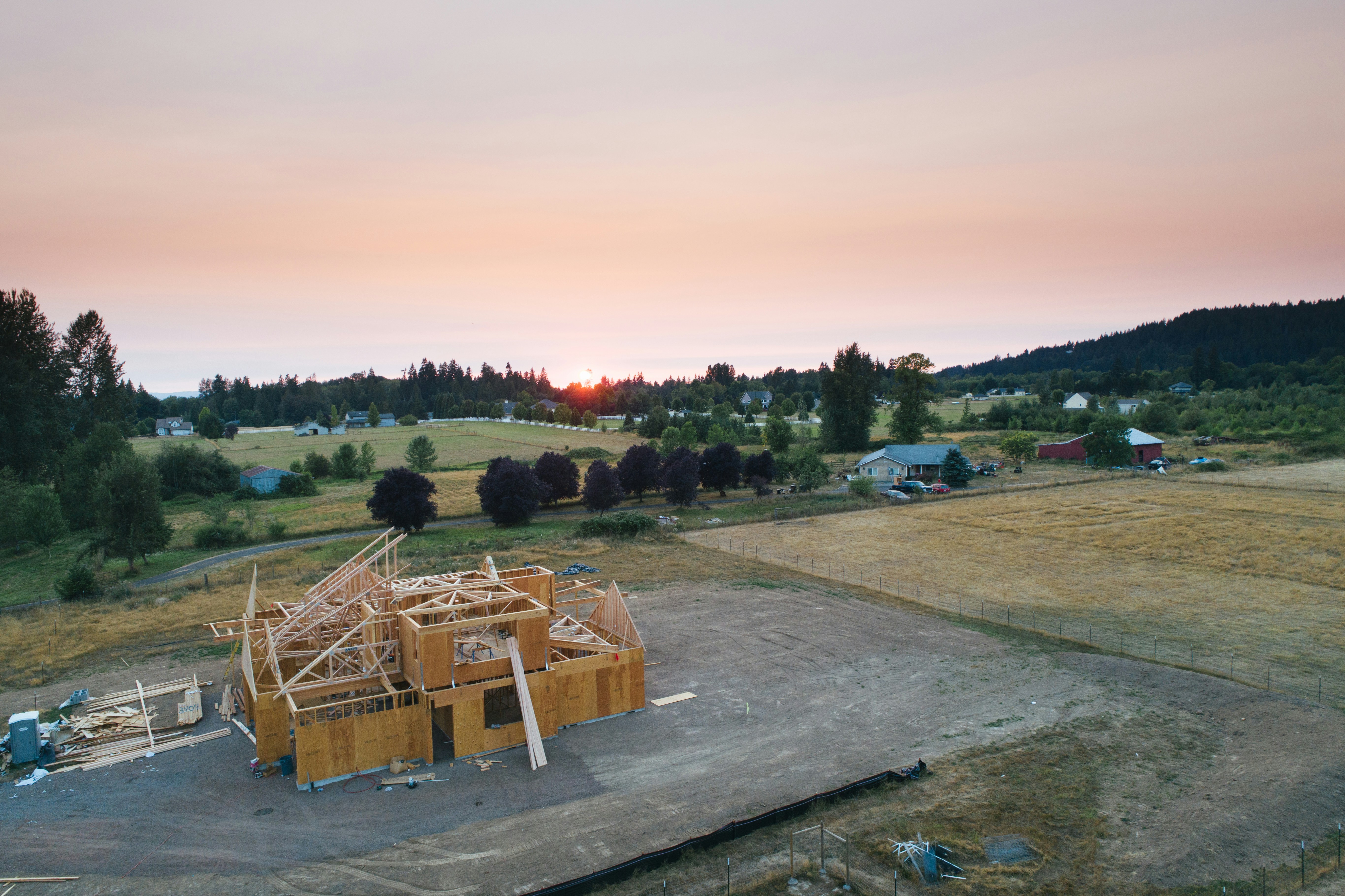
Are builders’ plans for more new‑home communities likely to cap price growth for existing Elk Grove homes?
Yes. With dozens of new‑home communities and hundreds of lots planned or selling in Elk Grove, builder competition and incentives are likely to cap near‑term price growth for many existing homes in 2026.
Why New Builds Matter So Much in Elk Grove
When you think about your home’s value in Elk Grove, you can’t just look at resale comps anymore—you also compete with a growing lineup of shiny new communities. Builders are offering upgrades, credits, and buydowns that many individual sellers simply can’t match, and that puts a soft lid on how high existing‑home prices can push in the short term.
-
New‑construction has grown to roughly one‑third of single‑family inventory nationally, a much higher share than before the pandemic, helping to keep markets from overheating as existing‑home supply stays tight.
-
Elk Grove alone shows well over 150–200 new‑construction listings across platforms like NewHomeSource, Realtor.com, and Homes.com, signaling a meaningful pipeline of new supply in a city of roughly 180,000 residents.
Because Elk Grove is one of Sacramento County’s most active suburban growth areas, this new‑build pipeline is especially important for your pricing strategy as an existing homeowner.
What Builders Are Actually Doing in Elk Grove
You are seeing more than just one or two infill projects—multiple builders are staking long‑term claims in Elk Grove, from smaller 30–40 lot subdivisions to larger master‑planned communities.
-
Communities like Laurel at Elliott Springs in Elk Grove are marketing three‑ and four‑bedroom homes with modern layouts, energy‑efficient materials, and high‑600s starting prices, positioning directly against move‑up resales.
-
Smaller infill projects such as Tegan Estates, with about 39 lots, highlight no‑HOA living, access to Elk Grove schools, and energy‑efficient features—key benefits many resale homes in older tracts may not offer without upgrades.
On top of that, national and regional builders like Lennar and Risewell are active in Elk Grove and the immediate area, with projects such as Harmony at Arbor Ranch and Arbor Ranch itself marketing all‑electric homes and modern community amenities. This ongoing construction creates an alternative for almost every price point above roughly the mid‑$500,000s.
How This New Supply Interacts with 2026 Pricing Trends
To understand whether builder activity will cap price growth, you have to pair that supply picture with what Elk Grove’s broader market is already doing in 2026.
-
Redfin reports the average Elk Grove house price near $625,000, down about 1.9% year over year, with the market rated “somewhat competitive” rather than hot.
-
In the 95758 ZIP, which includes a big chunk of Elk Grove’s established tracts, the average sale price is around $580,000 and actually up 0.9% year over year, but with buyers showing more price sensitivity and slightly longer days on market.
This combination—flat to slightly negative price growth, more time on market, and a strong pipeline of new builds—suggests that big resale price jumps are unlikely in the near term, especially for homes that compete directly with new construction on size and location.
Why Builder Incentives Quietly Cap Existing‑Home Prices
Even if the list prices on new builds look high, what really matters for you is the net deal buyers are getting once incentives are factored in.
-
National data shows builders increasingly using rate buydowns, closing‑cost credits, and design‑center incentives to move inventory, instead of cutting base prices outright.
-
When a buyer can get a new Elk Grove home with a temporary or permanent rate buydown that effectively cuts their payment, that often sets an upper bound on what they are willing to pay for a similar‑sized resale without those perks.
For example, if a new community in south Elk Grove is advertising starting prices in the high‑$600,000s plus a 2–3 point temporary rate buydown, a resale around the corner at a similar price but needing $40,000 in updates may struggle to compete. In practice, that dynamic nudges resale sellers toward more realistic list prices and can cap appreciation in those micro‑markets, even if official price indexes move slowly.
Will Builders Crash the Market or Just Flatten It?
You may worry that this wave of construction will cause a crash, but Sacramento‑area production numbers suggest something more moderate.
-
A recent Sacramento housing production review notes roughly 4,800 units permitted in 2023 and about 4,200 in 2024, with a large share being multi‑family rather than single‑family, due to financing and rate headwinds.
-
Sacramento County’s long‑range housing goals (over 45,000 units for the 2021–2029 period in the City of Sacramento alone via RHNA) remain far above recent production levels, which means the region is still structurally undersupplied relative to state targets.
In plain terms, builders are busy enough in Elk Grove and Sacramento County to flatten out price growth, but not so over‑active that they are flooding the market with far more homes than local incomes and job growth can absorb.
What This Means for Your Elk Grove Pricing Strategy
If you plan to sell your Elk Grove home in 2026, you need to treat builders as direct competitors, not background noise—especially if you are in a newer tract or near developing areas.
-
Before you pick a list price, compare your home’s size, age, and features against at least two to three nearby new‑construction communities, paying attention to the true net cost once incentives are factored in.
-
In most Elk Grove neighborhoods, the safer approach is to price slightly under the perceived “new build equivalent” to attract buyers who like your location or yard but are payment‑sensitive.
For older Elk Grove tracts, Galt neighborhoods, or Wilton acreage where direct new‑build competition is thinner, you still need to watch the broader Sacramento County inventory and days‑on‑market stats, because buyers with a wider search radius will compare across cities.
How This Plays Out Over the Next Few Years
Looking ahead, the interaction between builders and policy will continue to shape Elk Grove and Sacramento County.
-
Sacramento County’s Housing Element and long‑range planning documents identify a need for tens of thousands of additional units, along with relaxed zoning and more infill and corridor development, to address affordability gaps.
-
At the same time, real‑world production, financing constraints, and permitting timelines—often 6–8 weeks for single‑family projects and much longer for larger developments—limit how fast supply can truly ramp up.
That means builders are likely to keep a lid on runaway price growth for existing Elk Grove homes, but not to push prices dramatically lower unless a separate shock hits demand (major job losses, big rate spike, or a wave of distress listings).
FAQs
Does new construction hurt my resale value in Elk Grove?
New construction does not automatically hurt your value, but it does cap how high buyers will go if a comparable new home with incentives sits nearby. Your best defense is strong condition, updated finishes, and a list price that reflects the net value buyers can get from builder incentives down the road.
Are there parts of Elk Grove less affected by builder competition?
Yes. Established neighborhoods with limited remaining land and more unique homes—especially closer‑in tracts or desirable school pockets—face less direct new‑build competition than edge‑of‑town subdivisions. However, even these areas must still price with regional inventory and buyer payment power in mind.
How do Galt and Wilton fit into this picture?
Galt offers smaller‑scale new‑home projects like Ironwood at The Fairways, while Wilton’s larger acreage lifestyle has fewer direct builder comps. That can give Galt and Wilton sellers a bit more pricing flexibility, but buyers will still compare payments to Elk Grove’s growing mix of new and resale options.
If you are an Elk Grove, Galt, or Wilton homeowner, 2026 is the year to price against builders, not just against last year’s comps. You need a clear view of which communities your buyers are cross‑shopping, what incentives they are seeing, and how that translates into a realistic, fast‑moving list price for your property.
For a custom breakdown of how nearby new‑home communities, Sacramento County’s housing plans, and current buyer behavior affect your specific address, connect with a local advisor who tracks this data every week.
Reach out to Christy Press, Local Real Estate Agent – Elk Grove, Galt, Wilton & Sacramento County, to review your competing builder communities and craft a pricing and marketing plan that keeps your home ahead of 2026’s new‑construction curve.